“Seek opportunities to show you care. The smallest gestures often make the biggest difference.”
John Wooden
Showing posts with label Parents & Youth Sports. Show all posts

Tuesday, August 18, 2020

Coaching and Parenting

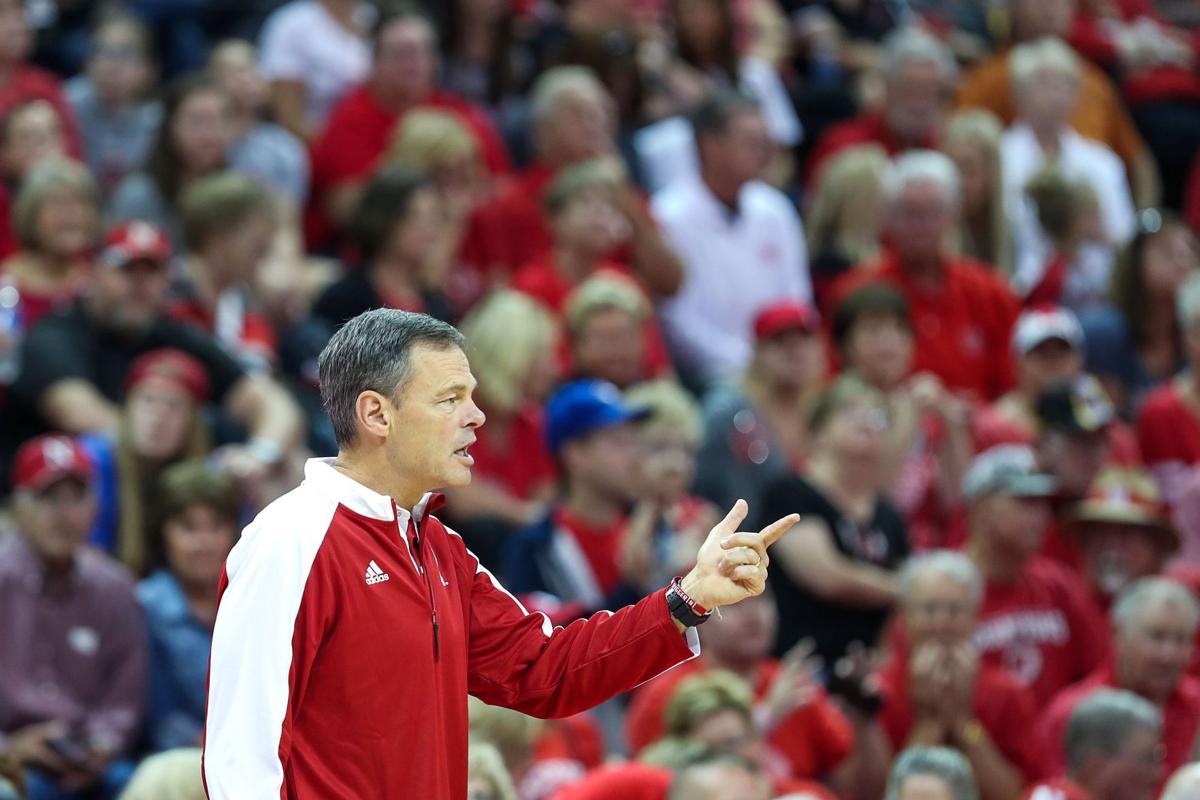
This is the fourth in a series of articles discussing chapters in Terry Pettit's book Talent and the Secret Life of Teams. Mr. Pettit served as the head volleyball coach at Nebraska for 23 years and his teams won 21 conference titles and the 1995 NCAA national championship.

by Jim Freeman
August 18, 2020

"My father once told us 'I want my kids to suffer'. At first I was shocked, but as I got older the more sense it made." - Roberto Clemente Jr., son of Roberto Clemente


I grew up in the Pittsburgh area during the 1960s and 70s...Roberto Clemente was my hero...and he still is. Clemente played right field for the Pittsburgh Pirates from 1955 to 1972 and was inducted into the Baseball Hall of Fame in 1973. He would have been 86 today. He perished in a plane crash on New Year's Eve in 1972 attempting to deliver food and supplies to earthquake victims in Nicaragua. I remember the quote about him wanting his children to suffer...as a youngster I heard him say it in an interview on television and I was puzzled by the statement. However, the sentiment certainly resonated with me as a coach and also as a parent now that we have children of our own.

Pettit comments "there is no growth without pain" and that is what Mr. Clemente meant in the statement referenced above. There is no growth without struggling and failing and ultimately persevering. Sports provide a wonderful environment for learning how to successfully deal with disappointment, failure and pain while improving resilience, work ethic and self-sacrifice. Helping young people in that process is one of the driving forces behind why I became a coach in the first place.

I have been coaching far longer than I have been parenting but I have always been aware of the many things both vocations have in common. In general I think the goal of both is to prepare children to stand on their own...to eventually not need the parent or coach in order to be successful.

I remember having that message hammered home to me when I heard Hugh McCutcheon (current Minnesota head volleyball coach) answer a question about being nervous or worried because he was forced to miss some of the matches in the 2008 Olympic games as the head coach of the men's national team. He said he was not concerned in the least because they trained so that his presence was not needed in those matches. That team won the gold medal. I have tried to take a similar approach as a coach ever since.

Not long after those Olympics the coaches I worked with were really trying to emphasize these kinds of things with our high school team. We trained in a way that gave players more ownership and we purposely injected chaos into our practices. During one match that year I inadvertently turned in the wrong lineup (I wish I could say I did it on purpose). We then had the pleasure of watching our team work things out on their own and proceed to play very well. That remains one of my favorite coaching memories because we were not needed...those players were ready to do it themselves. Not so coincidentally that team displayed a remarkable level of toughness and poise in winning the state championship match at the end of the season.

When I first got into coaching I thought I was the kind of coach that every parent would want for their child.  I was somewhat naïve (and possibly rather arrogant) concerning what I thought all parents desired for their kids.  It did not take long before I was disabused of many of those particular fantasies. I quickly discovered that playing time was considerably more important to many parents than my lofty notions regarding what was best for their children. I've learned a great deal over the years about how to connect with parents and work with them in teaching and preparing their kids for what life will send their way. 

Pettit writes "Are we committed to behaviors that lay the foundation for success? Are we on time? Do we look each other in the eye when we speak? Do we give great effort? Do we maintain the sacredness of the group by not voicing our frustrations outside the team? Do we encourage our teammates even when we are on the sidelines?"  The development of these sorts of qualities is what makes sports matter and they are the kind of characteristics we want to see our children learn and display. Coach Bob Ladouceur whose De La Salle High School football team (Concord, CA) went undefeated from 1992 to 2004 said the game only "stood tall" for him when he could use it as a forum to teach his players how to become better people, how to become men of outstanding character. I believe it is also no coincidence that coaches and teams who place great emphasis on developing these qualities and stress the value of being excellent on each repetition in each drill in each practice ultimately produce championship level teams and programs. Anson Dorrance who has led UNC women's soccer teams to 22 national championships has stated "What drives winning? Character development."

Mr. Pettit concludes "...my wish is that everyone's son or daughter has the opportunity to play for a coach who is hopeful about the team's future, who believes your kid has the right stuff to get the job done, who encourages  your son or daughter to commit to behaviors that will provide the best chance for success, and who creates an environment where kids have the opportunity to risk, rise, fall and risk again...these characteristics would make for great parenting as well."

I've never enjoyed seeing players struggle or seeing them fail but it is a necessary part of the process of becoming tougher, better people. I have enjoyed watching players overcome obstacles and display great courage and will. Those people inspire me and those around them. Hopefully we as coaches can partner with the parents of the children we are blessed to have in our care to help those players grow to be the kind of people who will one day teach the next generation the value of such things.






Saturday, July 6, 2019

Review: 'How to Raise an Adult' by Julie Lythcott-Haims


By Christine Vandevelde
https://www.chicagotribune.com/entertainment/books/ct-prj-how-to-raise-an-adult-julie-lythcott-haims-20150611-story.html
June 11, 2015

Image result for how to raise an adult


All parents are amateurs. So we turn to the "experts" to answer our questions about vaccinations and sleep schedules and developmental milestones, as well as the more cosmic queries we wrestle with: Will my child be happy? Will my child fit in? Will my child succeed?

More than 50 million copies of Dr. Benjamin Spock's "Baby and Child Care" have been sold since its prescription of pragmatism and Freudian psychology was published in 1946. The search for parenting gurus and guiding hands continued with Penelope Leach, T. Berry Brazelton and John Rosemond. Today, there is parent Heidi Murkoff of the "What to Expect" series, psychologists Madeline Levine and Wendy Mogel, pediatrician and sleep shaman Richard Ferber and teen expert Rosalind Wiseman, author of "Queen Bees and Wannabes."

Julie Lythcott-Haims will likely be the latest to join that canon of parenting guidance, with "How To Raise An Adult: Break Free of the Overparenting Trap And Prepare Your Kid for Success." Drawing on her own experience as a parent and former dean of freshmen at Stanford University, the latest research, and interviews with teachers, employers and Silicon Valley heavyweights, Lythcott-Haims examines the crippling practice of overparenting and its consequences. "Parents protect, direct, and handle so much for children today that we prevent them from the very growth that is essential to their development into adult human beings," she writes.

At Stanford, Lythcott-Haims was known for a mix of expertise and empathy that made her masterful with parents and helpful to students. It was as dean of freshmen she found herself regularly interacting with "students who seemed increasingly reliant upon their parents in ways that felt, simply, off." She understood overinvolved parents were acting out of love. But what those parents might not have understood is the high price paid by their children for that "parenting failure," as Lythcott-Haims calls it. Students who have had all life paths cleared for them are unable to advocate for themselves or cope with setbacks, are more prone to depression, anxiety and drug use (especially "study drugs"), lack simple life skills such as juggling academics and outside activities or managing money, and — more important — have a fear of failure that requires the dangerous strategy of always, always playing it safe.

Like the Harvard-trained lawyer she is, Lythcott-Haims solidly builds the case for how the Blackhawk helicopter parent became the "popular kid we want to follow, or the bully we have trouble standing up to because we fear being harmed, ridiculed, or left out." She thoughtfully examines the cultural shifts and whims that got us to this point: overblown fears of "stranger danger," the self-esteem movement where everybody gets a trophy, the thought contagion of bullying, the relentless competitiveness of a parent class needlessly concerned about leveling the playing field and the overscheduled, checklisted childhood resume that boasts the "right" schools, sports and extracurriculars for the college admission arms race.

Click on the link below to read the rest of the article:

https://www.chicagotribune.com/entertainment/books/ct-prj-how-to-raise-an-adult-julie-lythcott-haims-20150611-story.html

Friday, May 17, 2019

The Rocky Road of Excellence


By John O'Sullivan
February 9, 2016
Related image
“How many of you want to be a college athlete?” I asked this question to 3,000 middle school students in Southern California recently. In all, about 1,000 kids raised their hands.
“What about an artist? A singer? What about a musician?” Maybe 500 students raised their hands.
“What about running a business? Raise your hand if you want to someday own your own business.” 1,500 future entrepreneurs put their hand up.
“How many of you want to go to college?” Almost every hand went up.
“Simple questions, right?” They nod. I continued, “Many people ask themselves ‘what do I want to do in life?’ But I want to let you in on a secret. Many people never end up following their passion, or working in a field they truly love, or achieving excellence in sport or academics. Most people are unfulfilled because they ask themselves the wrong essential question. They ask ‘what do I want to do?’”
“’What do I want to do’ is not very helpful question to ask.” I pause and make eye contact with a few students. “Why? Because it elicits answers such as ‘I want to go to college’ or ‘I want to be a college athlete’ or ‘I want to have a great job.’ But everybody wants those things. That question doesn’t make you any different from the 99%.”
What was I getting at here?
“Elite performers, those who are true professionals at everything they do, ask themselves a far different question. They don’t ask “What do I want?” They ask:
“What am I willing to sacrifice for, to struggle for, and to experience pain and discomfort for? In other words, what dream or passion am I willing to suffer for?”
This question is what leads to excellence in sport, in business, and in life.
The truly elite athlete, the elite musician or top business professional, knows that in order to achieve greatness, you must sacrifice. Most of the young athletes I meet want to play at a high level, but they live in the comfortable world and have no clue what must be sacrificed in order to even have a chance to make it to the top. Most live in a world where they are not challenged, not pushed, and rarely experience struggle. When they do experience adversity, they leave their team, complain to mom and dad, and blame coaches or teachers for making things difficult
They fail to learn life’s most important lesson:
You must risk being uncomfortable to achieve something worthwhile. You must forgo your safety net and go all in if you are truly passionate about pursuing a goal or a dream. You might have to leave your friends and play on a team that provides a better environment. You must be willing to get up and train before school, to arrive early and stay after training, to do more than everyone else, usually when no one is watching.
Cristiano Ronaldo and Lionel Messi left home at age 11 and 12 respectively, in pursuit of an environment that matched their dreams. They train harder than anyone else, not because it makes life easier, but because they want something so badly they are willing to suffer for it.
Click on the link below to read the rest of the article:

Friday, April 12, 2019

7 habits of highly effective volleyball parents


By Jeff Smith
https://www.servecityvolleyball.org/volleyball-blog/2018/2/20/7-habits-of-highly-effective-volleyball-parents
February 2018

volleyball parent and child.jpg

As a volleyball and basketball coach in 1400-plus games over 20 years and as a volleyball and basketball parent for the last eight years, I've seen and experienced the best and worst of sports parenting, from parents applauding great effort by both teams in a match to threatening the referees and getting thrown out of the gym at a game.

Things seem to work out very well for everyone when we each "stick to script" and focus on fulfilling our respective roles:
  • Coaches coach.
  • Parents parent.
  • Players play.
In the first of a three-part series, this week's post offers seven habits that parents can build to be positive influences for their kids and their kids' team.

1. Encourage competing over winning.

It's disappointing watching normally mild-mannered parents become obsessed with their child winning a match or tournament. These parents are missing the big picture. Their daughter or son and the team are not failures if they lose a match. What's important is whether they competed. Did they give their best effort within their current state of emotional, physical and athletic development (which looks very different from a 12-year-old novice player to an 18-year-old veteran player), and does getting beat motivate them to work harder and improve?

Winning is a goal, but it shouldn't be the goal. Development as players, teams and people should be the primary focus. That's where parents can either reflect this message or contradict it.


Click on the link below to read the rest of the article:

https://www.servecityvolleyball.org/volleyball-blog/2018/2/20/7-habits-of-highly-effective-volleyball-parents

Monday, April 1, 2019

Be a Great Teammate


By Brad Stevens
https://leadersanddaughters.com/2019/03/04/brad-stevens-be-a-great-teammate?fbclid=IwAR1PbjmBlE2ftv_Z2PxyGoqxbzzHPkSBSocfpCGE30RnDgq9aodp0VEFXHI
March 2019

Brad Stevens family, wife and kids
Brad and Tracy Stevens with their children Brady and Kinsley  in 2016

Dear Kinsley:

When I was asked to write you a letter for the Leaders and Daughters Event series, I thought of the many different things that I would love say to express what you mean to me, and how excited I am to have a front row seat in your journey through life. After tearing through my first few drafts (which were long rambles), I realized that writing a “life advice” letter to a 9-year old is quite a task. Therefore, I tried to boil my advice down to one of the most important choices anyone can make:

Be a Great Teammate.

You’ll be on many teams throughout your life. Your family is a team. Your theatre group is a team. Your choir is a team. You’ll compete with your soccer teammates, and try to play a harmonious tune with your orchestra. The thoughts below apply to all of these scenarios.

Great teammates always put others first – they are true servants. These qualities come easy for you. You have a genuine compassion for people, and that compassion is contagious. Life won’t be perfect, so there will be times where this will be tested. Take the advice that my mom used to tell me - “you will never regret choosing to be kind.” Great teammates take that high road.

Great teammates raise the energy in the room. They smile a lot. They show gratitude. People know that when they walk in, they have others’ best interest in mind, and want to bring out the best in each and every person. Who doesn’t want to surround themselves with energy raisers?

Great teammates listen and are empathetic. They put themselves in others’ shoes. They are inclusive and bring the group together, rather than judgmental to try to tear the group apart. Their own goals and dreams are important, but those take a backseat to the greater good. Great teammates realize that it’s not about them.

When times are good, be the great teammate that others want to celebrate with. When times are tough, be the great teammate who offers a shoulder to be leaned on. When you get older, you’ll realize that it wasn’t about the good or bad times, it was about who you navigated those times with, the lessons that you learned and the relationships that you forged. We are so thankful to be on your team. You and your brother inspire us every day.

Love, Dad


About Brad Stevens
Brad Stevens is an American basketball coach. He is currently the head coach of the Boston Celtics.

Wednesday, November 28, 2018

The Best Sports Books of 2018


By John O'Sullivan
https://changingthegameproject.com/the-best-sports-books-of-2018/
November 26, 2018

Yes, it is that time of year again, time for our favorite books of 2018, and time to get the coaches, parents and athletes in our lives some good holiday reading material. The Changing the Game Project team is always reading, always listening, and always learning, in order to help you take your coaching, parenting, and performance up a notch. This year is no different, as we read and listened to so many great books. As a bonus, we were able to interview almost every author on this list on our podcast, and I have provided a link to the interview as well. Ready to go? Just click on the title or image and you will be transported to Amazon (these are affiliate links, it is the same price for you but we make a few cents per book which helps keep the doors open). Happy holidays!

Our 2018 Book of the Year:

Ever since I read this book, my morning routine has changed. I had the honor of meeting James Clear a few years back when we spoke at the same event, and since then his is one of two weekly blogs that I ALWAYS read each week. He has finally compiled his best stuff into a book, and it is incredible (we also interviewed him for our podcast here). There is a reason this book resides on the NY Times Bestseller list, and it has profoundly influenced my own behaviors. Whether you are an athlete, parent, or coach looking to build some better habits and break some bad ones (aren’t we all?) this book is for you. It is also a great book to listen to on Audible (its free if you have never tried Audible before) so click here to check it out.)

Our 2018 Runner-Up:

I could not put this book down. As a parent of two almost teenagers, and as a coach of teenagers for over two decades, I believe I have a front row seat into the lives and struggles of today’s kids. But this book opened my eyes even further. It details the tragic story of collegiate runner Maddy Holleran, who took her own life in January 2014 by leaping off a 9-story parking garage in downtown Philadelphia. How could a young woman who seemingly has it all – sports star, academic success, popularity, good looks, you name it – take her own life. Author Kate Fagan was given access to all of Maddy’s emails, texts, social media posts, and more, as she attempted to reconstruct the life, and last days of Maddy. This book was un-put-downable. It is incredibly sad, and incredibly relevant to anyone working with today’s kids. (Click here for the audiobook)
Click on the link below to read the rest of the article:

Monday, August 6, 2018

Inside the Discovery of Mike Trout


By Buster Olney
July 29, 2018
Image result for mike trout 2018
Editor's Note: To watch Buster Olney's complete E:60 profile of Mike Trout, stream it on the ESPN app or desktop now by clicking here.

Greg Morhardt was the Los Angeles Angels' scout assigned to oversee the Northeast corridor a dozen years ago, and on a beautiful, late-summer day, he watched over a flock of high school age ballplayers in New Jersey. When somebody mentioned that the last name of the muscular kid with the football-player build standing out at shortstop was Trout, Morhardt immediately wondered whether he had a connection with the teenager.
More than two decades before, Morhardt had played minor league baseball with a Trout, Jeff Trout. He was fast, Morhardt recalled, and a really good hitter, someone who might have had a little time in the big leagues if he had hung around pro ball a few more years. But Morhardt had been present when Jeff met Debbie Busonick, and Jeff and Debbie married, moved beyond the uncertainty of minor league baseball and returned to Jeff's hometown in southern New Jersey to raise a family.
That was the last Morhardt had heard of his old teammate. Now Morhardt was at a ballfield tracking this teenager with the last name of Trout -- in Jersey. It had to be more than a coincidence, he thought. "Is that Jeff Trout's kid?" Morhardt asked somebody else at the workout, and he was told, yes, that's Jeff and Debbie's son. That's Mike Trout.
Morhardt's reunion with the former teammate he called Trouter would have to wait, however, because Jeff was not hovering over his son that day. Morhardt and Jeff Trout didn't talk again until another day, another time. Jeff was not at a lot of Mike's high school workouts and practices, in fact.
Jeff Trout had set all the Millville High School records that Mike would break, he had starred at the University of Delaware, he had played four years in the Minnesota Twins' farm system, hitting .321 and posting a .406 on-base percentage in 1986, and he coached at Millville High School. But as Mike Trout advanced in baseball and began to draw the attention of Morhardt and other scouts, Jeff Trout made the decision to step back from coaching his son.
Major League Baseball will forever be played by a lot of young men whose fathers have coaxed and nudged them through every swing of every inning of every game. Truth be told, some of the same players have felt smothered by the omnipresence of their fathers, some of them haunted as they tried and sometimes failed to live out the dreams of someone whose love they cherished.
Mike Trout is not one of those players.
Click on the link below to read the rest of the article:

Friday, December 8, 2017

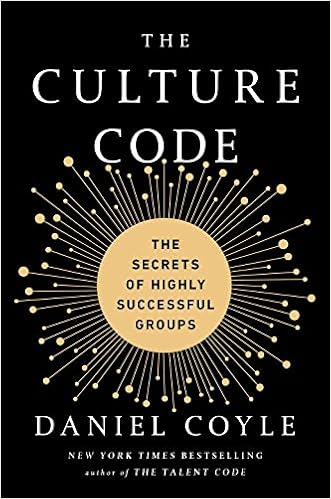
The Culture Code: Our 2017 Book of the Year (Plus Other Staff Picks)


By John O'Sullivan


December 5, 2017

It’s that time of year again, our final blog where we review our favorite books of 2017. There were some amazing books out there this year, and the choices were tough. This year, we also brought in some staff favorites to add to our master list. Hopefully, you can find a great read for the coach, parent or athlete in your life.

Book of the Year (for Coaches and Leaders)


Many of our readers have read Coyle’s last book –the #1 NYT Bestseller The Talent Code – and his followup is the book we have been waiting for. Coyle dives in to dissect the qualities of the best teams, from the San Antonio Spurs to Navy SEAL Team Six, providing coaches and leaders with the tools to build highly functioning and highly motivated teams. Coyle breaks down how great leaders build safe environments, encourage vulnerability, and establish a common purpose in order to get everyone moving in the same direction. This is the book you have been waiting for when it comes to connecting great stories with ground-breaking research in an entertaining, fast-paced read. While sadly, you will have to wait until January to get a copy (I got an advanced copy) it is worth the pre-order because you want this book the day it comes out!

Click on the link below to read the rest of the article:

http://changingthegameproject.com/culture-code-2017-book-year-plus-staff-picks/

Sunday, August 20, 2017

Twelve glaring problems with volleyball’s early recruiting culture

August 19, 2017

John Cook’s Husker volleyball teams built on D, just like Penn State

John Cook, Head Volleyball Coach, Nebraska (BRENDAN SULLIVAN/THE WORLD-HERALD)
Supply and demand. That’s the rule of economics. That’s the law of recruiting.
In a perfect world, college coaches wouldn’t make scholarship offers to eighth- and ninth-graders because there would be enough talent to go around three or four years later.
“The reality of volleyball is you need kids who are physically superior in order to elevate your program to the next level,” said John Tawa, founder of PrepVolleyball.com. “You can wait and find players who are very good who will help any program, but they’re not program-changers.
“So you are fighting for a small pool of elite athletes.”
That’s the coaches’ incentive. Now look at the players’ perspective. Again, demand exceeds supply.
Take the setter position, Tawa said. A top program that runs a 5-1 offense will grant a setter scholarship only every other year. So if there are 30 elite programs, you’re talking about 15 scholarships for setters. If you’re waffling over an offer, your coach won’t wait.
“They’ll go to Plan B pretty quickly,” Tawa said.
Borne out of the scarcity of resources, volleyball insiders see (at least) 12 big issues with volleyball’s rush to commit.
1. Planning headaches for coaches
John Cook feels like an NBA general manager, he said. Every week his staff meets to discuss scholarship allocation. Not just for 2017 or ’18, but four or five years down the road. Decisions for the class of 2021 must be made now.
“Let’s say a ninth-grader comes to camp or a visit,” Cook said. “If you don’t offer them, you may never get another chance. That’s the pressure we’re all feeling. If I want to wait and see how she develops, there might be 20 other schools that offer. So she’s going to think, ‘Oh, Nebraska isn’t interested.’
“Two years later, you say, ‘We love what you’re doing, we want to offer you.’
“ ‘Sorry, it’s too late,’ they say. ‘You don’t offer me when I was there.’ ”
You try to make predictions, Cook said. You weigh the risks of offering some girls early — and waiting on others. You hope you don’t invest four years in a prospect who doesn’t develop, gets hurt or transfers. In that case, you have to start over chasing ninth-graders.
“If something doesn’t work out,” Iowa State coach Christy Johnson said, “all of the good players have already committed.”
Click on the link below to read the rest of the article:

http://www.omaha.com/neprepzone/volleyball/twelve-glaring-problems-with-volleyball-s-early-recruiting-culture/article_c33e3720-8551-11e7-9928-a78a5df2c691.html

Friday, August 11, 2017

Sam Darnold Is The Realest


By Jeff Pearlman
http://bleacherreport.com/
August 2, 2017


Sam Darnold
Southern California quarterback Sam Darnold passes during the first half of a game against UCLA, Saturday, Nov. 19, 2016, in Pasadena, Calif. (AP Photo/Mark J. Terrill)

Sam Darnold is boring.
We might as well get that out of the way.
He’s boring. Dull. Sorta lame.
His mother and father (who, interestingly, are anything butboring) refer to their boy as “Flatline,” and while this isn’t meant as an insult, it’s not exactly a compliment. Southern Cal’s redshirt sophomore quarterback doesn’t tweet. He doesn’t talk shit. He won’t bash UCLA’s Josh Rosen or promise a national championship. There are zero traces of tattoos or piercings or shirtless arm-crossed tough guy poses.
When Sam recently met with a B/R Mag writer on the USC campus, he sported gray shorts, worn sneakers and a wrinkled white T-shirt with yellow sweat stains beneath the armpits. It is within the realm of possibilities he combed his hair beforehand. Maybe.
Whether discussing last season’s thrilling Rose Bowl win over Penn State or if he’ll declare for the 2018 NFL draft (he’s noncommittal), his vocal tone remained at the same level. Sorta…like…this. “That’s Sam,” says Chris Darnold, his mother. “He’s a wonderful boy. But his goal isn’t to thrill you.”
In the modern world of Sports Mythology: 101, Sam Darnolds are increasingly rare specimens. There’s a playbook, written long ago and perfected lately by LaVar Ball, that demands our offspring live and die with a gilded mojo and chosen sport. That they become one with a chosen sport.
It is the way. It is the future. It is inevitable.
“I hate it,” says the quarterback’s father. “I really hate it.”
His name is Mike Darnold. He is a stocky 53-year-old medical gas plumber with short hair and a soft-spoken manner. As he opines from a chair inside the living room of his Capistrano Beach, California, home, he dips one corn chip after another into a small bowl of green guacamole, taking meticulous nibbles off the corners. Chris, a middle school physical education teacher and his wife of 23 years, is across the way on a blue couch, nodding.
Click on the link below to read the rest of the article:
http://bleacherreport.com/articles/2725101-sam-darnold-usc-quarterback-childhood

Thursday, January 19, 2017

The Unspoken Problem in Sports: Concussions


By John O'Sullivan
http://changingthegameproject.com/blog/
January 18, 2017

Image result for soccer heading

(This week’s blog was written by Alecko Eskandarian (@alecko11), former US National Team player and current Assistant Coach of the NY Cosmos of the NASL. This article originally appeared 11/18/16 on the Players Tribune and they have graciously granted us permission to reprint it. We have read many articles about concussions, and this one really hit home on how quickly life can change for an athlete with a concussion. Concussions are not a soccer problem; they are a problem across all sports. Thanks to Alecko for addressing such an important topic and for allowing us to reprint.)
My teammate and I were standing outside RFK Stadium in Washington, D.C. It was April 2003, our first home game of the season against the Chicago Fire. It was my first official appearance as a professional soccer player. It was a dream come true.
“Let’s take a picture,” he said. “I feel like this is a day we definitely want to remember.” He handed someone his digital camera, we posed together and smiled.
I was a 20-year-old rookie — picked No. 1 by D.C. United in the MLS SuperDraft just a few months prior. I hadn’t played against Kansas City in our season opener, so I had made sure to bust my ass in practice that week. A few days before the game, Coach had even pulled me aside to let me know that he was going to try to get me some minutes. So I put the word out to family and friends. My parents drove down from New Jersey, my cousin flew in from L.A., some friends came up from the University of Virginia.
But I don’t remember seeing anyone at the match. I don’t remember my name being announced over the loudspeaker. I don’t remember the roar of the crowd and the bright lights.
I don’t even remember stepping onto the field.
Read the rest of the article by clicking on the link below:
http://changingthegameproject.com/sports-unspoken-problem/


Related:
http://www.drdavidgeier.com/safer-soccer-pass-campaign/

Friday, December 23, 2016

Our 2016 Books of the Year


December 3, 2016
“You cannot open a book without learning something.” – Confucius
Yes, it is that time of year again, the time where our staff shares some of our favorite reads in the world of coaching, parenting, and athlete development. We are all avid readers and lifelong learners, and every year we pour through numerous books, articles, podcasts and more looking for inspiration and great information to pass on to all of you. Below you will find our favorite books of 2016, the ones we picked up and learned the most from. You can click on any title to cover image to grab it on Amazon. At the end of the article is a link to our favorite books from years past, in case you want to dive deeper or get a book for a parent, coach or athlete in your life. Enjoy.

Best Book for Coaches:

This book was the clear winner for me this year. Most books by coaches (Mike Smith Coaches the NFL’s Atlanta Falcons) talk about their championship season. This book shares how Smith took the Falcons from an also ran to perennial title contender by purposefully building the culture. Then it details how he lost sight of the things that made them great, which eventually cost him his job. The book also contains tremendous insight from Jon Gordon on his work building positive team cultures, and tons a great activities for coaches to do with their teams. This book is a must for any serious coach!

Honorable mention:

Extreme Ownership: How US Navy Seals Lead and Win by Jocko Willink and Leif Babin
How do coaches and leaders get the most out of their people? Start by taking ownership of everything, both good and bad. This great read details lessons learned by the authors during their time as SEAL team commanders with Task Unit Bruiser during the Iraq War, and how any leader can learn from what the SEALs do. Our biggest takeaway: when a leader blames a team member, the blame game starts and excuses start flying. The blame cascades down and ultimately no one takes responsibility. But when leaders have “extreme ownership” then team members will admit to wrongdoing and be held accountable as well. Think about that your next team talk!
The author attended our Way of Champions conference in July 2016, and that is how we learned about this wonderful book. In it, she tells her story as a consultant with a talented but underachieving high school hockey team. She tells how she used her business experience building strength based teams to help every individual understand what their teammates brought to the team, the reasons behind their behavior, and a path forward that eventually leads to a state championship. Monte shares her entire blueprint that coaches can do with their own teams. It is a great read.
Peak: Secrets from the New Science of Expertise by Roberto Pool and Anders Ericsson
If you have read The Talent Code or Outliers then you have heard of Anders Ericsson, the researcher on expertise whose work was slightly bastardized by Malcolm Gladwell and others into the false “10,000 Hour Rule.” In this book, Ericsson sets the record straight, replies to other critics of his work, and teaches coaches how to make practice both purposeful and deliberate. There are some real gems in this one.
Click on the link below to read the rest of the article:

Thursday, September 29, 2016

Let’s Stop the Early Sport Specialization Madness!


BY 
http://changingthegameproject.com/
September 27, 2016

(photo: bretcontreras.com)

(photo: bretcontreras.com)
“I have a question,” said a mother recently at one of my speaking engagements. “I have an 8-year-old son who loves soccer. But the only soccer team in our town requires that he play all year round, and he still wants to play other sports. What are we to do?”
Sound familiar?
Across the country, I hear similar questions all the time. I meet parents who understand that playing a single sport year-round prior to high school is not good for their kids. But they are stuck. There is no alternative. Name any sport, and parents are often faced with a similar dilemma. The only organizations that provide higher level coaching, and where most of the better athletes play, require all or nothing commitments far before any experts recommend them (As a caveat, this article does not pertain to sports considered early specialization sports such as female gymnastics, figure skating, and diving, where elite competitors reach their athletic peak in their mid-teens).
Want a spot for your 8-year-old soccer player? Welcome aboard, as long as you make soccer your primary commitment 11 months a year. Want to play basketball this winter for three months? Sorry, we will give your spot to someone else. Does your family like to camp on summer weekends? Sorry, we have baseball tournaments every weekend, and we don’t take kids on our spring baseball travel team who won’t commit to playing in the summer and fall.
Want to make the high school team? Want to be recruited for college? So many parents feel the pressure to force their kids all in too young, especially when colleges in sports likes women’s soccer and lacrosse are scouting middle school age events. (The NCAA, sadly, has refused to take action, even though the NCAA Men’s and Women’s Lacrosse Coaches Associations have drafted and supported proposals banning contact with kids before September 1 of their junior year! Even the Ivy League has asked the NCAA to put a stop to early recruiting.)
The youth sports system, aptly called the “youth sports industrial complex” by ESPN writer Tim Keown, is failing our kids, especially when it comes to early sports specialization. We are robbing our kids of their childhood and the opportunity to experience the joy of participating in multiple sports.
Click on the link below to read the rest of the article:

Tuesday, June 28, 2016

That’s Not Coaching. It’s Child Abuse.


By Harlan Coben

May 30 (Bloomberg) -- The coach called one player a “f*****g retard” in front of his teammates. He told others that they shouldn’t enjoy themselves after a game because they played like, well, a compound obscenity sometimes used as a derogatory term for the female anatomy.
In the coach’s attempt to motivate his boys during one halftime, he gathered them around him and told them that they were playing as though they were (pardon the shock value) undertaking a sexual act with, yes, their own grandmothers. It seems kind of small by comparison, but he also threw clipboards and kicked equipment, insulted the players’ families, cursed out coaches and referees, and humiliated and berated and singled out several players to the point of tears.
No, this isn’t Rutgers University or the latest collegiate scandal. This is a volunteer father coaching my son’s grade-school lacrosse team in my New Jersey hometown.
Why are we still allowing this?
The above story isn’t unique. We’ve all seen these guys on the sidelines. We parents may not condone it, but we’ve learned to accept it. We put up with this behavior because we worry that if we question it, there will be repercussions for our kid. He’ll get less playing time, we fear. She will be moved down from the A to the B team. He will be the brunt of even more abuse. We see our choices as putting up with it or denying our kid the sports experience. We start to justify it in our minds. “Hey,” we tell ourselves, “this is how Woody Hayes coached. The guy really knows the game. Maybe it’s a good thing.”
I, too, was guilty of thinking like this.
But we know better. And it has to stop.
Maybe the screaming and shouting worked for another generation. It doesn’t work now. And even if it did, even if your sixth-grade program ended up with a record of 11-2 with abuse when it would have been 9-4 without (and the evidence strongly suggests that the opposite is true), so what?
New Jersey has just adopted some of the toughest anti-bullying legislation to which our own children are accountable. Shouldn’t we demand the same from our coaches? Could you ever imagine a schoolteacher or debate coach behaving in such a manner?
What I’ve noticed -- and yes, this is anecdotal -- is that the best teams with the best coaches seem to be have the calmest sidelines. Rather than shouting specific instructions at players -- and chastising them for every mistake -- these coaches have already taught their players what to do. They trust these kids to take responsibility. Sure, the kids mess up, but there is a lot to be said for playing without fear. They play better, learn to be instinctive, and -- gasp -- have more fun.
Click on the link below to read the rest of the article: